
School Social Work Week, observed from March 1 through March 7, is a time to recognize the invaluable contributions of our School Resource Specialist (SRS) team. While diverse in their backgrounds, our SRS team shares a common dedication to providing emotional support, guidance, and resources that enhance our students' academic and personal growth.
Our school resource specialists work tirelessly to foster student well-being. Whether through group sessions, one-on-one support, or implementing strategies for overall success, they play a crucial role in creating a positive and supportive school environment.
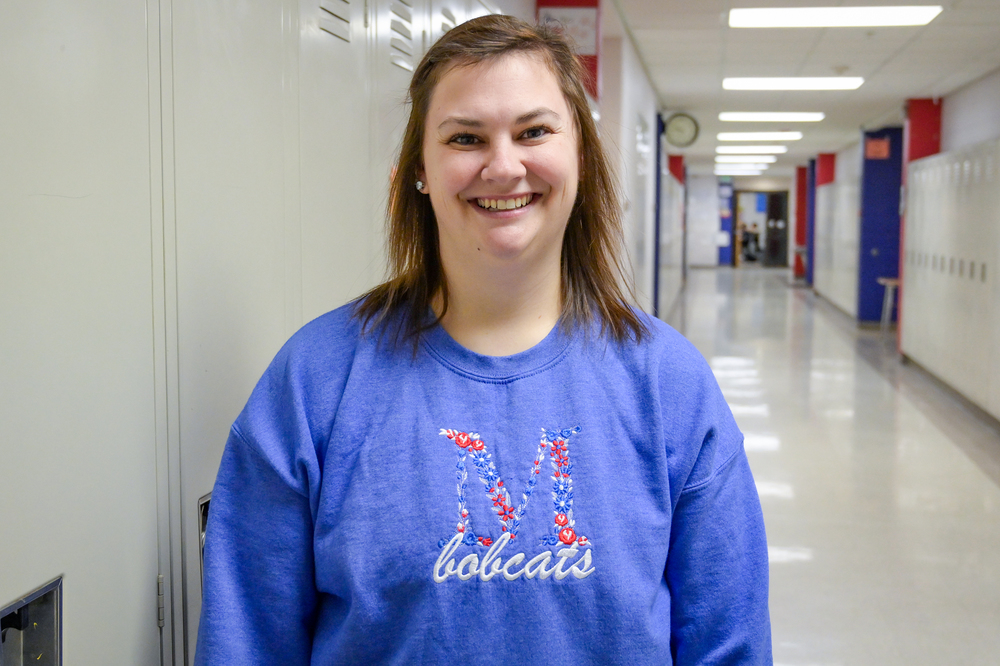
Throughout the week, we will be spotlighting members of our SRS team and the meaningful work they do. Jordyn Dulaney, a school resource specialist at Miller Middle School, is one of many dedicated professionals committed to ensuring students feel heard, supported, and empowered.
Learn more about her experiences and insights by reading Dulaney’s responses to the following Q&A:
What inspired you to be a school resource specialist?
I was inspired to become a school resource specialist because I’ve always believed that schools should be a supportive place where students can grow not just academically, but emotionally and socially as well.
I see how much of a difference one consistent, caring adult could make in a student’s life especially for those facing challenges outside the classroom. This has motivated me to work in a role where I could build positive relationships, help students navigate conflicts, and connect families with the resources they need.
What is the most rewarding part of your job?
The most rewarding part of my job as a school resource specialist is building meaningful relationships with students and seeing their growth over time. It’s incredibly fulfilling to witness how trust and consistent support can help students feel safe enough to open up about their challenges and aspirations. Over time, I see students develop confidence, resilience, and problem solving skills, which makes their successes feel even more significant.
Each relationship offers a chance to guide students through academic, social, and emotional hurdles, helping them navigate conflicts, make positive choices, and recognize their own strengths. The growth I see isn’t just in their behavior or achievements; it’s in their ability to communicate effectively, manage emotions, and approach challenges with a sense of agency.
Ultimately, the most rewarding aspect is knowing that these connections and the skills students gain can have a lasting impact, giving them tools to thrive not only in school but in life beyond the classroom.
How do you help students navigate difficult social or emotional situations?
As a school resource specialist, I help students navigate difficult social or emotional situations by first creating a safe, non-judgmental space where they feel heard. Often, students just need someone to truly listen before they can begin to work through what they’re experiencing.
I use active listening and ask open-ended questions to help them identify what they’re feeling and why. From there, we work together to problem solve, breaking the situation down into manageable steps and exploring healthy options for responding.
I also teach and model skills like conflict resolution, emotional regulation, and effective communication. If a situation requires additional support, I collaborate with counselors, teachers, and families to make sure the student has a strong support system in place.
What makes Marshalltown’s approach to supporting students unique?
What makes Marshalltown’s approach to supporting students unique is its strong sense of community and collaboration. In Marshalltown, there’s a shared commitment among schools, families, and local organizations to work together for the success and well-being of every student.
The district places a strong emphasis on whole child support, focusing not only on academics, but also on social emotional learning, mental health, and family engagement. There’s an understanding that students thrive when their emotional, social, and basic needs are addressed alongside their educational goals.
Marshalltown also stands out for our culturally responsive practices and efforts to ensure all students feel seen, valued, and included. By building strong relationships, maintaining open communication, and connecting families with community resources, the support system becomes proactive rather than reactive.
It’s this combination of collaboration, prevention, and genuine care that makes the approach especially impactful.
What does it mean to you to Embrace The Lead?
To me, “Embrace the Lead” means stepping forward with confidence, responsibility, and heart especially when it comes to supporting students. It’s about being proactive rather than waiting for someone else to act, and recognizing that influence comes from the example you set every day.
In my role, it means modeling integrity, empathy, and accountability consistently. It means taking initiative to build relationships, address concerns early, and advocate for what students need to succeed. It also means being willing to listen, learn, and grow because making a positive impact requires humility as much as confidence.
Ultimately, “Embrace the Lead” to me is about choosing to show up fully, set a positive tone, and inspire others to do the same.